Bayview Homestead Farmhouse Dining Experience
Bayview Homestead reopens a family homestead as a dining destination where local harvests shape every plate. The core is simple: seasonal produce, nearby fishers, and recipes rooted in the land that surrounds the property. This paragraph sets the practical promise guests can expect from a visit.
Bayview Homestead and Its Story
The property began as a working homestead and was restored by three generations of the family to preserve original timber framing and fieldstone foundations. Restoration prioritized retaining original roof beams while upgrading kitchens to commercial safety standards in 2019. The homestead now functions as an intimate dining venue with a capacious farmhouse dining room that seats 48 and a terrace overlooking the orchards. Architectural features include wide plank floors salvaged from an 1880s barn, a central hearth used for slow roasting, and a converted granary that stores dry goods and preserves. Farm structures on site include a greenhouse of 120 square meters, two hoop houses for cold season crops, a small grazing paddock for laying hens, and a saltwater cold store to hold daily catches from local fishers.
Farm to Table Philosophy at Bayview
The culinary approach centers on traceability. Every ingredient used must be source documented to a producer within a 60 kilometer radius when possible. Seasonality governs menu planning and crop rotation drives what is grown onsite to replenish soil nutrients naturally. Animal care follows pasture centered practices where sheep and poultry rotate through paddocks to minimize compaction and to encourage biodiversity. Eggs are collected daily and appear on the menu within 48 hours of laying. This philosophy reduces transport waste and strengthens relationships with neighboring farms.
Sourcing and Partnerships
Onsite gardens produce herbs, salad greens, and culinary flowers; orchards yield apples, pears, and plums used for desserts and fermentation. Key partnerships include three vegetable farms that supply root crops, a coastal fishery providing line caught fish on a weekly basis, a cheesemaker supplying raw milk cheeses, and a mill that delivers whole grain flours. A cooperative agreement with a nearby seed library supports heirloom varieties and ensures genetic diversity. These partnerships are formalized with seasonal purchase agreements to stabilize income for small producers and to secure dependable supply for the kitchen.
Seasonal Menu Development
Menu creation begins six weeks before each new menu cycle. Chefs consult harvest forecasts, supplier availability, and soil rotation calendars to balance produce demand with farm capacity. Dishes are designed to highlight a single star ingredient while supporting flavors come from on site preserves, lacto fermented vegetables, and house cured condiments.
| Season | Key on site produce | Typical external suppliers | Signature uses on menu |
|---|---|---|---|
| Spring | Pea shoots, asparagus, overwintered roots | Small vegetable farms, oyster farm | Pea shoot salad, grilled asparagus with cured egg yolk |
| Summer | Tomatoes, stone fruit, cucumbers | Coastal line fishers, beekeeper | Tomato consomme, grilled fish with stone fruit relish |
| Autumn | Apples, squash, brassicas | Local orchard, dairy creamery | Slow roasted squash, apple tarte tatin |
| Winter | Stored root vegetables, brassica greens | Hoop house growers, smoked fish supplier | Root mash with smoked fish, hearty stews |
Signature dishes rotate to reflect harvest peaks. A long tasting menu appears on eight evenings per month and features wine pairings sourced from regional vineyards within a 100 kilometer radius.
Chef Team and Culinary Techniques
The head chef trained in classic European kitchens and returned to the family homestead to develop a pragmatic menu that blends preservation techniques with modern plating. Methods include lacto fermentation for longevity and flavor depth, root cellar curing for winter provisions, and foraging of edible wild herbs within a managed perimeter to avoid protected habitats. Cooking techniques combine slow hearth roasting, steam infusion to preserve volatile aromatics, and sous vide for precise protein finishing when required.
Dining Experience and Atmosphere
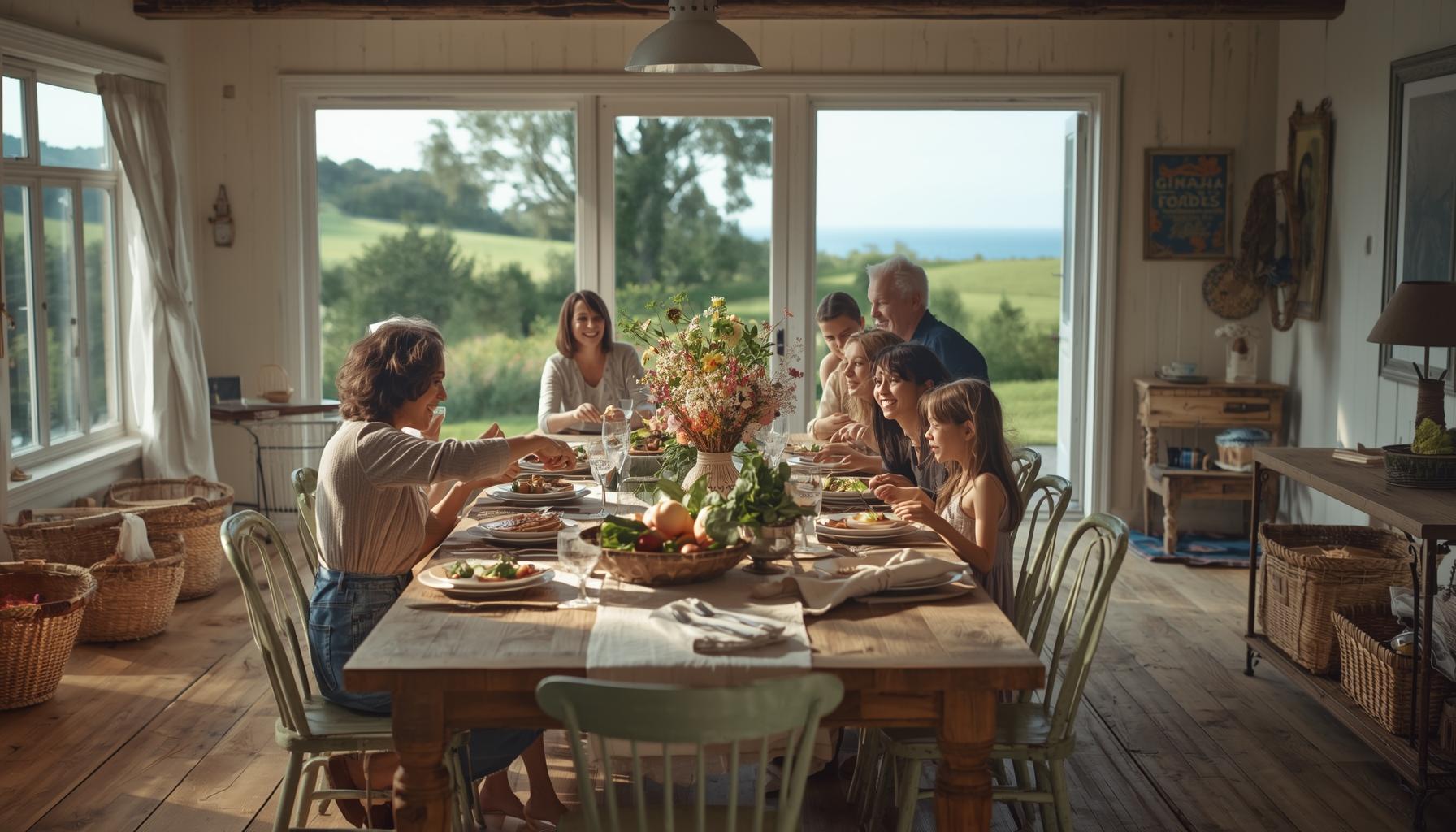
The farmhouse dining room emphasizes communal warmth with a central long table for shared farm dinners and smaller intimate tables for private groups. Outdoor dining occurs on the terrace and among orchard tables during warm months. Service style is attentive and educational. Servers describe origin stories for each course and offer pairing suggestions. Guest interaction includes optional visits to the greenhouse after dessert to see produce used that day.
Sustainability and Regenerative Practices
Soil health programs include cover cropping, composting kitchen waste into structured amendments, and rotational grazing that improves topsoil carbon. Water management uses drip irrigation with moisture sensors to reduce use by an estimated 40 percent compared with overhead systems. Energy needs for cooking and refrigeration are supported by rooftop photovoltaic arrays sized to generate roughly 35 percent of annual electricity use. Packaging is reusable or compostable and suppliers are chosen for minimal packaging commitments.
Events and Community Engagement
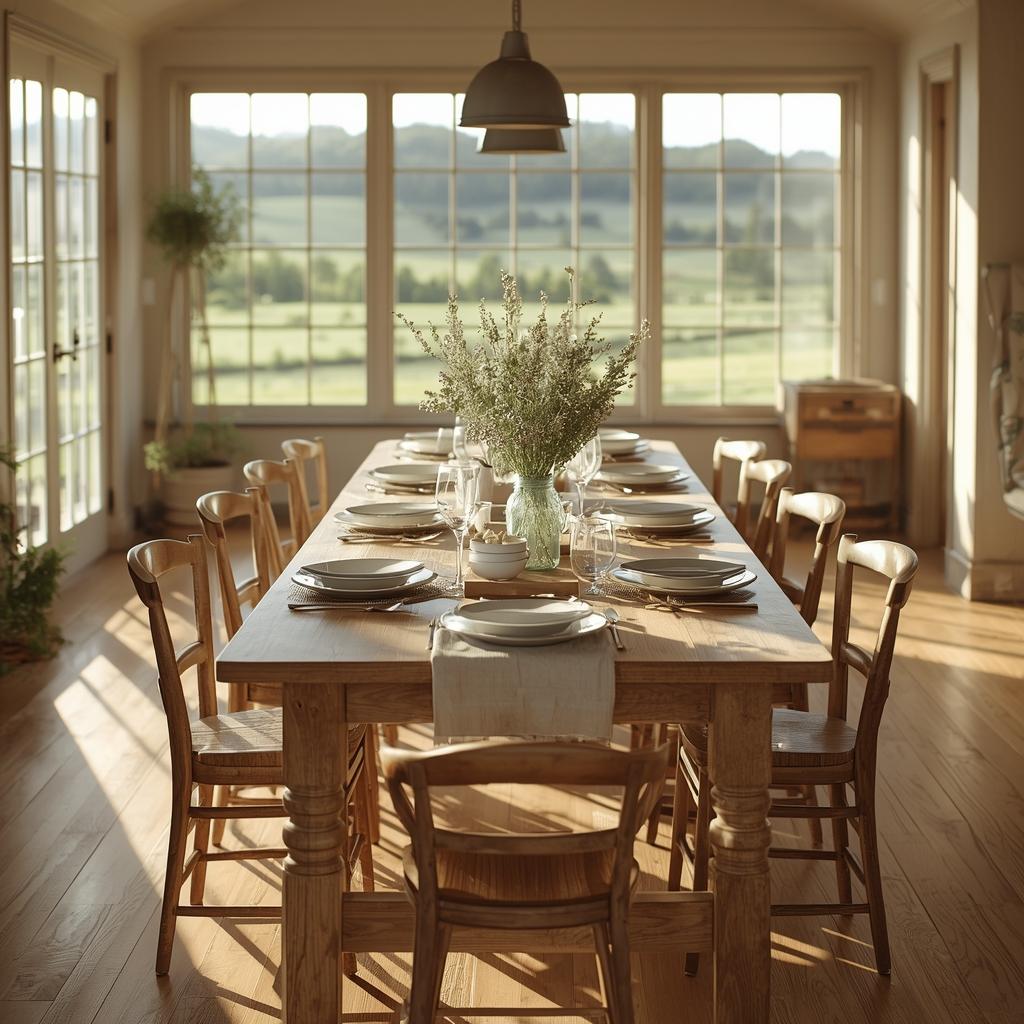
Bayview hosts monthly harvest dinners that pair local food with seasonally matched wines. Educational workshops cover preservation, fermentation, and basic butchery skills taught by kitchen staff. School outreach programs bring students for guided tours focused on food systems and soil science. A community supported agriculture offering provides weekly shares of produce to residents and surplus food is donated through partnerships with local food banks to reduce waste and support food security.
Reservations, Pricing, and Guest Information
Bookings are available online with a deposit required for groups larger than eight. Tasting menus are priced per person with vegetarian and pescatarian options available. The restaurant accommodates dietary restrictions with advance notice of 48 hours. Hours vary seasonally and parking is available on site for 24 vehicles with alternative public transit options noted on the booking page.
Bayview Homestead operates as a living demonstration of how a family homestead can provide refined dining while supporting local producers and ecological stewardship. Guests leave with clear provenance for their meals and practical inspiration for bringing seasonal food practices into their own kitchens.